Regulatory Evolution Meets Reward Structures in Mobile Table Gaming Ecosystems
Yves Wolf · Oct 18, 2026

Regulatory Evolution Meets Reward Structures in Mobile Table Gaming Ecosystems
Regulatory bodies across multiple jurisdictions continue to refine standards that govern smartphone-based table gaming, while operators adjust tiered incentive programs to align with those updates, and enthusiasts track how participation thresholds shift in response. Data from industry analyses shows that compliance requirements around player verification, transaction monitoring, and responsible gaming features now intersect directly with loyalty structures that reward consistent engagement in games such as blackjack, roulette, and baccarat on mobile devices.
Observers note that frameworks introduced in various regions during 2025 and 2026 emphasize real-time data reporting, which influences how platforms calculate and distribute tier benefits. Those who've studied participation patterns find that higher compliance layers often require additional identity checks before players unlock elevated reward brackets, yet the same systems allow seamless progression once verification clears. Figures reveal that mobile table sessions accounted for a growing share of overall digital gaming activity, prompting regulators to examine incentive models that might encourage extended play without violating updated spending and time limits.
Compliance Frameworks and Their Direct Influence on Tier Progression
Emerging norms require platforms to integrate anti-money laundering protocols that trigger at specific deposit volumes, and these thresholds frequently coincide with the entry points for mid-level and premium incentive tiers. Researchers discovered through cross-jurisdictional comparisons that operators in North America and parts of Asia adjusted reward algorithms to pause bonus accumulation until compliance flags resolve, which maintains regulatory alignment while preserving user progression paths. Data indicates that such adjustments reduced administrative disputes by measurable margins in markets where new rules took effect mid-2026.
Platforms must now document how incentive offers reach verified users only, and this documentation process ties into tier eligibility audits conducted quarterly. Those monitoring the space observe that smartphone table enthusiasts who maintain consistent funding through approved channels experience fewer interruptions in reward accrual, whereas unverified sessions halt at lower tiers regardless of activity volume. According to reports from the Nevada Gaming Control Board, verification timelines shortened in several tested systems by October 2026, allowing faster tier advancement once initial compliance steps complete.
Tiered Models Adapting to Verification and Funding Requirements
Operators structure tiers around cumulative play metrics that now incorporate compliance-weighted factors, such as confirmed source of funds and session duration caps. Studies from academic research groups highlight that enthusiasts engaging in live dealer table environments on mobile networks receive adaptive offers that scale only after each layer of identity confirmation passes. This linkage means entry into top reward brackets often depends on both gameplay volume and adherence to funding verification schedules.
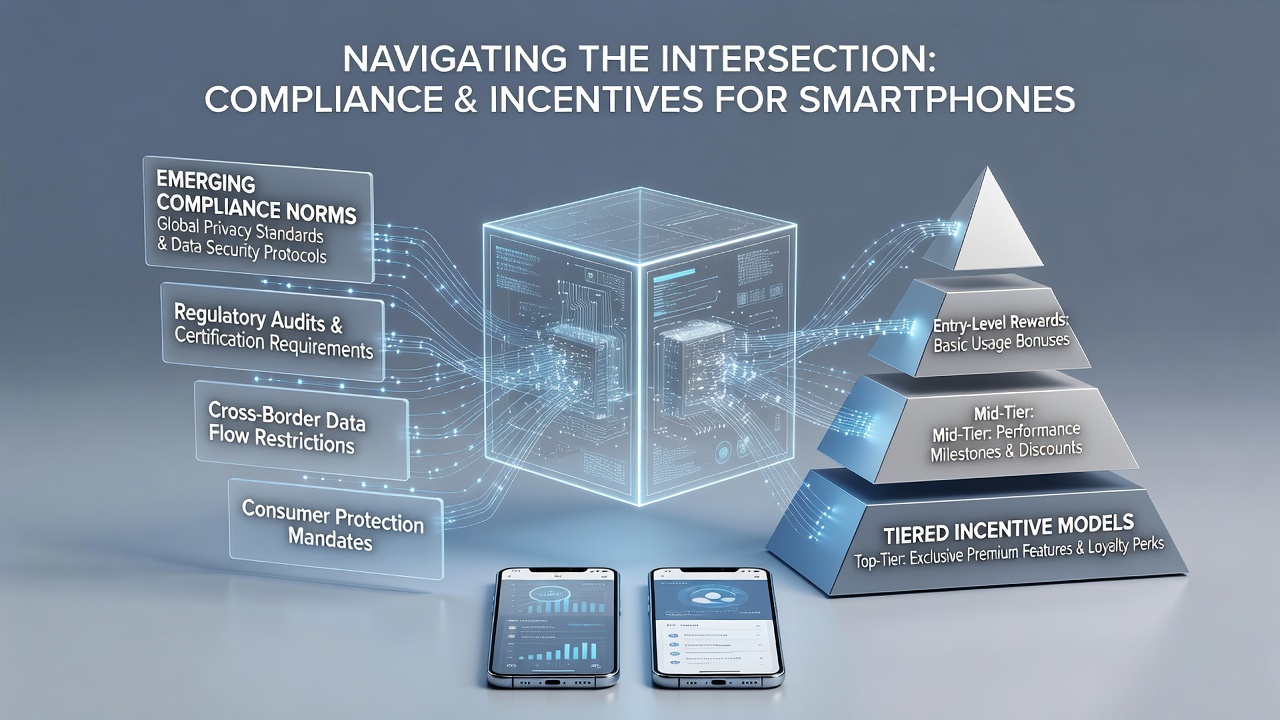
Industry organizations report that multi-format engagement tools, including instant wallet transfers and live table sessions, now feed into unified tracking systems that enforce compliance at every tier boundary. Enthusiasts who navigate these systems successfully unlock benefits such as reduced house edges on select tables or priority seating in virtual tournaments, yet access remains gated behind documented compliance milestones. Figures from European regulatory summaries show participation in tiered programs stabilizing after initial adjustments to new verification mandates rolled out earlier in 2026.
Geographic Variations in How Norms Shape Incentive Delivery
Canadian provincial regulators and Australian state authorities apply distinct approaches to the same intersection, with some requiring explicit player consent for reward communications while others focus on spending transparency within incentive structures. Those examining the patterns note that platforms serving multiple regions maintain parallel tier systems, each calibrated to local compliance calendars, which allows enthusiasts to select environments that match their preferred balance of verification speed and reward frequency. Reports from the Australian Communications and Media Authority detail how October 2026 updates clarified reporting intervals for mobile table activity, directly affecting how quickly users advance through incentive levels.
University-led research projects continue to track correlations between encrypted transaction channels and tier retention rates, revealing that platforms using verified instant funding paths sustain higher engagement across mid-tier brackets. Observers note that these connections strengthen when compliance standards emphasize audit trails that align with reward distribution logs, reducing friction for dedicated smartphone table participants who meet both sets of criteria simultaneously.
Conclusion
The ongoing alignment between compliance requirements and tiered incentive models produces measurable effects on how smartphone table enthusiasts engage with mobile platforms, as verification processes and reward calculations operate within shared data environments. Industry reports and regulatory summaries indicate continued refinement through late 2026, with systems evolving to accommodate both regulatory mandates and user progression expectations across varied jurisdictions.