Regional Regulatory Changes Reshape Cross-Border Casino Reward Programs
Yves Powell · Sep 20, 2026
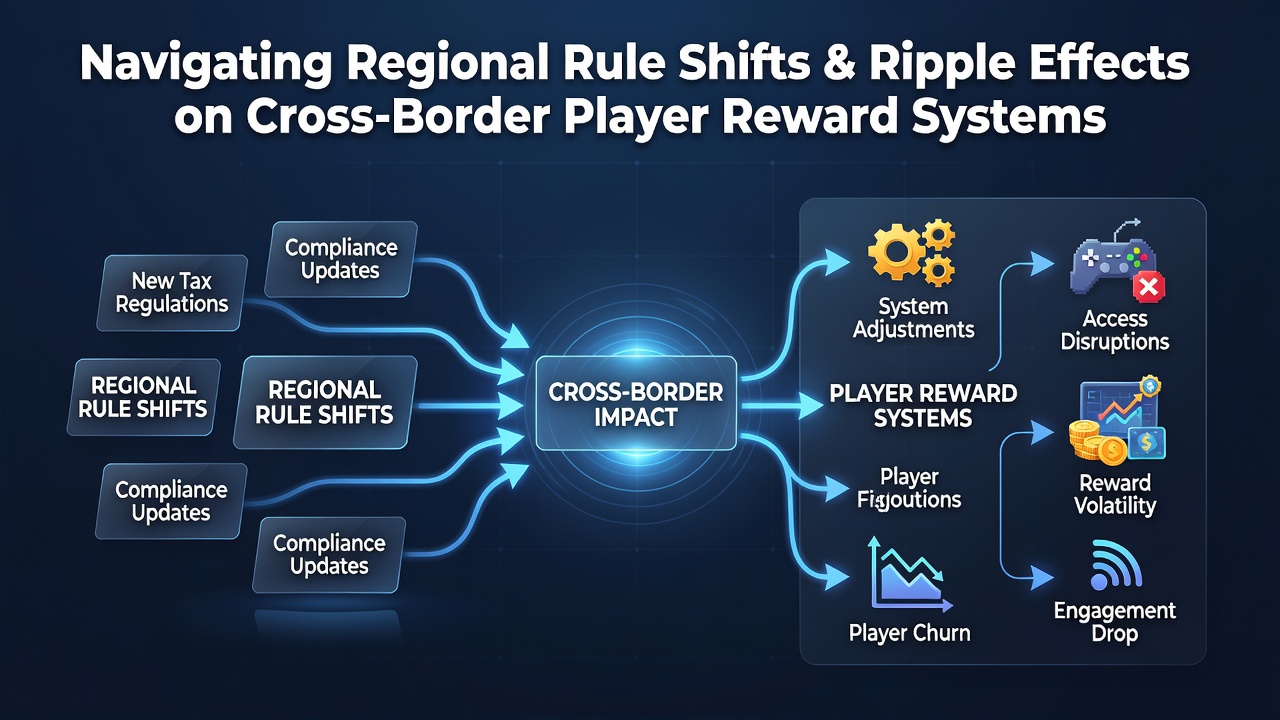
Regional Regulatory Changes Reshape Cross-Border Casino Reward Programs
Regulatory adjustments in multiple jurisdictions continue to influence how operators structure loyalty programs and bonus systems that serve players across national lines, and these modifications often create interconnected effects that reach far beyond single markets. Data from industry tracking services shows that changes in one region can alter point accumulation rates, redemption options, and eligibility criteria for users who participate in programs spanning several countries.
Observers note that operators managing multi-jurisdictional platforms must monitor policy developments closely because even minor adjustments to licensing conditions or tax treatment can force recalibrations in reward tiers. For instance, when authorities in one market introduce new compliance requirements around player verification, the same protocols sometimes get applied uniformly to international accounts to maintain consistency and avoid separate administrative layers.
Policy Adjustments in Asia-Pacific Markets
Recent updates in several Asia-Pacific jurisdictions have altered how cross-border rewards operate for digital gaming participants. Authorities in the Philippines adjusted reporting standards for player incentives during the second quarter of 2026, and those revisions prompted operators to segment reward pools according to the player's primary regulatory residence. Similar measures in South Korea focused on transaction monitoring thresholds, which in turn affected the speed at which accumulated points convert into playable credits across borders.
September 2026 marks the scheduled implementation date for updated player fund segregation rules in one additional regional market, and operators have already begun testing segmented reward ledgers to ensure uninterrupted service for users who hold accounts registered under multiple licensing frameworks. These preparations include revised terms that specify how bonuses earned under one set of regulations transfer when a player accesses games licensed elsewhere.
North American Developments and Their Reach
North American state and provincial regulators have introduced incremental modifications to promotional credit rules, and these steps carry consequences for programs that serve players from both domestic and foreign locations. Ontario's framework, administered through the Alcohol and Gaming Commission of Ontario, now requires clearer disclosure of cross-jurisdictional bonus expiration policies, while certain U.S. state commissions have aligned their audit procedures for loyalty point ledgers with neighboring jurisdictions.
Industry reports indicate that these alignments reduce administrative duplication yet require operators to maintain parallel compliance documentation. Players who move between regulated environments therefore encounter updated eligibility checks that reference both their current location and their original enrollment jurisdiction.
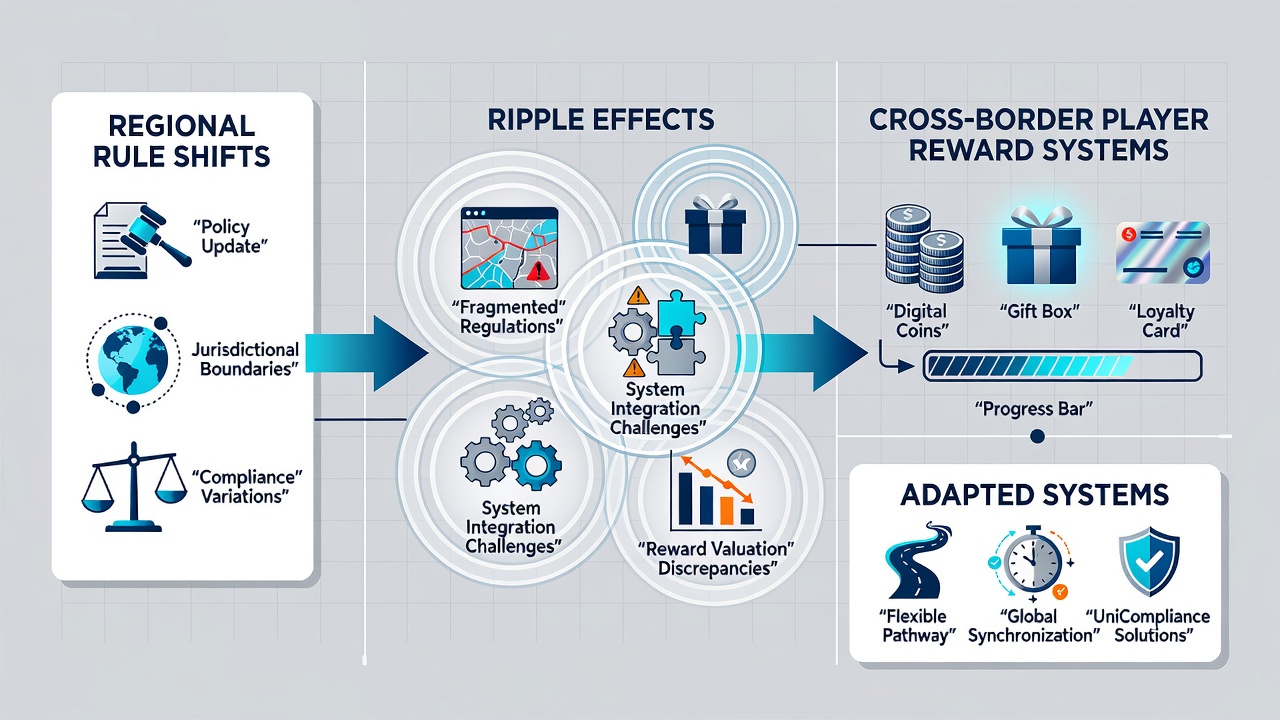
European Union Coordination Efforts
Within the European Union, member states continue to coordinate on consumer protection standards that affect reward program design, and the European Commission has published guidance documents that address how operators should handle bonus funds when regulatory status changes. Research compiled by the European Gaming and Betting Association reveals that harmonized standards on responsible gaming messaging have led several operators to standardize point forfeiture timelines across EU-licensed platforms, even when the underlying national rules differ slightly.
Operators report that these coordinated approaches simplify backend management while still requiring careful mapping of player activity against each jurisdiction's specific thresholds for reward eligibility. When a player relocates or changes primary access point, the system must apply the most restrictive applicable rule set to maintain compliance.
Operational Adjustments by Platform Providers
Platform providers have responded by deploying modular reward engines that can activate or deactivate specific features based on detected regulatory context. These engines track variables such as licensing origin, player residency declarations, and transaction routing paths, then apply the corresponding reward parameters without requiring separate accounts for each region. Studies from academic research groups focused on digital commerce show that such modular systems reduce the incidence of reward disputes by approximately 18 percent in multi-license environments.
Case examples from operators active in both the Americas and Asia demonstrate that unified dashboards allow players to view region-specific reward balances side by side, and automated alerts notify users when policy shifts alter point values or redemption windows. These notifications reference official regulatory announcements rather than internal policy alone, which helps maintain transparency across borders.
Conclusion
Regional rule shifts continue to propagate through cross-border player reward systems, prompting operators to refine their technical infrastructure and compliance procedures. Evidence from regulatory filings and industry analyses indicates that successful navigation depends on real-time monitoring of policy calendars, modular system architecture, and clear communication of jurisdiction-specific terms to participants. As additional jurisdictions finalize their 2026 implementation schedules, further adjustments to loyalty mechanics are expected to follow established patterns of segmentation and standardization.